

10 min read
Anti-slip tiles and slip ratings explained for New Zealand homes
Slip ratings explained for NZ: pendulum P0 to P5, R9 to R13 ramp ratings, barefoot A B C, Building Code D1, and the right tiles for pools, decks and ramps.
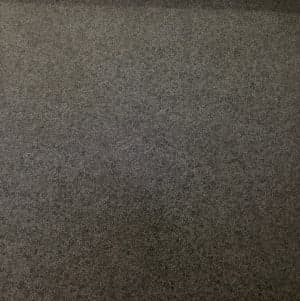
A beautiful patio, pool surround or entry is no good if people slip on it. Slip resistance is one of the most important things to get right when you choose tiles for outdoor and wet areas, and it is also one of the most confusing. Product sheets quote P ratings, R ratings, A, B and C classes, SRVs and BPNs, and it is not always clear which matters for your project.
This guide explains each rating in plain English, what New Zealand Building Code clause D1 says about slip resistance, and which ratings suit pool surrounds, decks and patios, ramps and steps, entrances and wet bathrooms.
Why slip resistance is complicated
Slipping depends on more than the tile. Footwear, bare feet, water, oil, frost, leaves, dust, the slope of the surface, how people are walking and how the floor is cleaned all play a part. Slip ratings measure one piece of that puzzle: how the surface itself performs under set test conditions when it is new.
That is why Acceptable Solution D1/AS1 includes a comment that the cleaning regime should maintain slip resistance, that unsuitable cleaning can reduce it significantly, and that people may still slip on slip-resistant surfaces because of footwear and walking gait. Ratings help you choose; they do not guarantee nobody will ever slip.
The test methods used in New Zealand
D1/AS1 (2nd edition, Amendment 6, effective 1 January 2017) cites AS 4586:2013 Slip resistance classification of new pedestrian surface materials, and SA HB 198:2014, the handbook guide to specifying and testing slip resistance. AS 4586 describes several test methods. The three you will see most are below.
1. Wet pendulum test: P0 to P5
A pendulum with a rubber slider swings across a wet tile, and the result is a slip resistance value (SRV). AS 4586:2013 groups SRVs into classes. Using the Slider 96 rubber (the one D1/AS1 refers to for level routes):
P5
- SRV (Slider 96)
- over 54
- Contribution to slip risk when wet
- Very low
P4
- SRV (Slider 96)
- 45 to 54
- Contribution to slip risk when wet
- Low
P3
- SRV (Slider 96)
- 35 to 44
- Contribution to slip risk when wet
- Moderate
P2
- SRV (Slider 96)
- 25 to 34
- Contribution to slip risk when wet
- High
P1
- SRV (Slider 96)
- 12 to 24
- Contribution to slip risk when wet
- Very high
P0
- SRV (Slider 96)
- under 12
- Contribution to slip risk when wet
The pendulum test can be done on site as well as in a lab, which makes it useful for checking installed floors. D1/AS1 notes the pendulum test may not suit heavily profiled or patterned surfaces.
2. Oil-wet ramp test: R9 to R13
A person in standard safety boots walks forward and back on a tile coated in oil while the ramp is tilted steeper and steeper. The angle at which they can no longer walk safely sets the class:
R9
- Ramp angle
- 6° to under 10°
R10
- Ramp angle
- 10° to under 19°
R11
- Ramp angle
- 19° to under 27°
R12
- Ramp angle
- 27° to under 35°
R13
- Ramp angle
- 35° or more
This is the same method as the German DIN 51130 test, which is why imported European tiles often carry R ratings. It was designed for commercial and industrial floors that may get oily. A D1/AS1 comment notes that imported materials are often tested this way and that an R11 result will often be equivalent to an SRV of 39 for water-wet conditions. The ramp angle is a lab classification, not a slope you should build.
3. Wet barefoot ramp test: A, B and C
The same ramp, but with bare feet and water instead of boots and oil. It is used for pool surrounds, changing rooms and similar barefoot areas:
A
- Ramp angle
- 12° to under 18°
B
- Ramp angle
- 18° to under 24°
C
- Ramp angle
- 24° or more
What Building Code clause D1 says
Clause D1 Access routes includes the performance requirement D1.3.3(d): access routes shall have adequate slip-resistant walking surfaces under all conditions of normal use. D1/AS1 section 2.1 gives ways to meet it.
Level routes that get wet
For level access routes expected to become wet in normal use, D1/AS1 2.1.2 says walking surfaces should either:
- have an SRV of at least 39 from the AS 4586 wet pendulum test using Slider 96 rubber, or
- use a material listed in D1/AS1 Table 2 as acceptable for wet slip.
For areas used mainly barefoot, such as around swimming pools and next to communal showers, D1/AS1 says Classification B from the AS 4586 barefoot ramp test gives acceptable slip resistance.
Notice that an SRV of 39 falls in the middle of the P3 band (35 to 44). A tile described only as "P3" may or may not reach 39. If you need to show compliance with this part of D1/AS1, ask for the actual SRV on the test report, or choose a P4 or P5 tile, which by definition is 45 or more.
What this means for houses
D1/AS1 has an important exception for housing. For houses, the wet slip requirement applies only to the access route on the approach to the main entrance, not inside that entrance and not to other entrances. Internal access routes in housing, including kitchens and bathrooms, are assumed to be dry in normal use. A D1/AS1 comment adds that bathroom floors in housing can become partly wet, and that safety is best managed with movable mats, because most high slip-resistance flooring is not appropriate in that location.
So for a typical home, the Building Code focus is the path or porch to your front door. Everywhere else, including patios, pools, showers and laundries, slip resistance is a matter of good judgement and safety rather than a specific D1/AS1 number. In commercial, public and communal buildings the requirements are wider.
Level routes that stay dry
For level routes expected to stay dry, D1/AS1 2.1.3 accepts a coefficient of friction of at least 0.40 from the AS 4586 dry floor friction test, or a material listed as acceptable dry in Table 2.
Ramps, slopes and stairs
For sloping routes and stairs, D1/AS1 2.1.5 uses AS 4586 Appendix F to work out the classification needed for each slope. It also says a P4 wet pendulum rating is acceptable for stairs and for ramps no steeper than 1:12. Table 2 notes that glazed or polished surfaces are unsuitable for sloping surfaces or stairs in either wet or dry conditions, because of how feet land on a slope.
What Table 2 says about ceramic tiles
D1/AS1 Table 2 lists common materials. For ceramic tiles:
- Glazed, smooth or polished: acceptable dry on level surfaces, but not acceptable wet, and not acceptable on slopes or stairs.
- Glazed or unglazed, profiled or grit finish: acceptable dry on level surfaces; wet performance must be tested.
- Unglazed, smooth: acceptable dry; wet performance must be tested.
A note to Table 2 says a grit finish that feels rougher than 80 grit sandpaper may be deemed acceptable wet without testing. For everything else, the answer is a test result for the specific tile.
Entrances
D1/AS1 notes that the most common wet area in buildings is the entrance, where water is tracked in from outside. Where a wet slip-resistant surface does not continue inside, it allows water-absorbent matting across the walkway, an extension of the slip-resistant surface far enough inside for water to be shed from footwear, or a mix of both.
Choosing tiles by area
These are practical starting points. Always check the actual test results for the tile you choose, the requirements for your building type, and the recommendations in HB 198, which lists suggested classifications for many specific locations.
Pool surrounds
Barefoot, wet and often sloping toward drains. D1/AS1 points to barefoot Classification B for areas used mainly barefoot. A barefoot classification is the most relevant number here, so ask for an A, B or C result. Choose a textured outdoor porcelain or 20 mm paver, use an exterior grout, and make sure falls carry water away from the pool edge. Our outdoor and in/out range includes anti-slip pavers such as the Bella Travertine Beige Antislip Paver and Solid Grey Antislip Paver. Ask us for each product's test data before you buy.
Decks, patios and outdoor paths
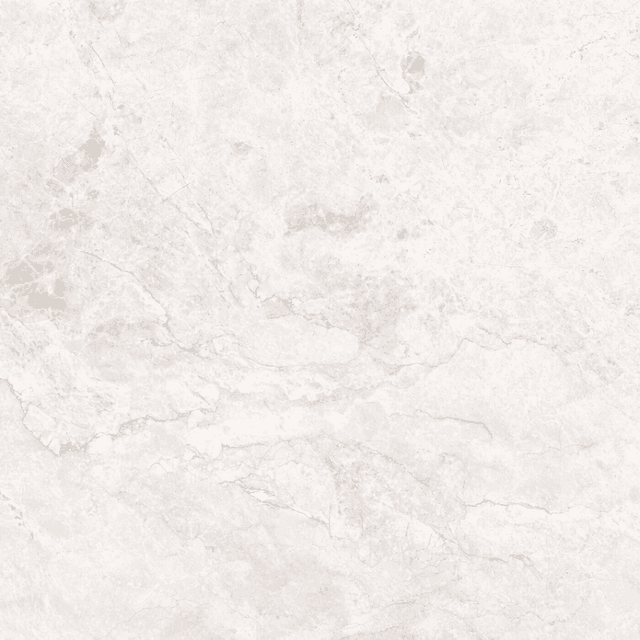
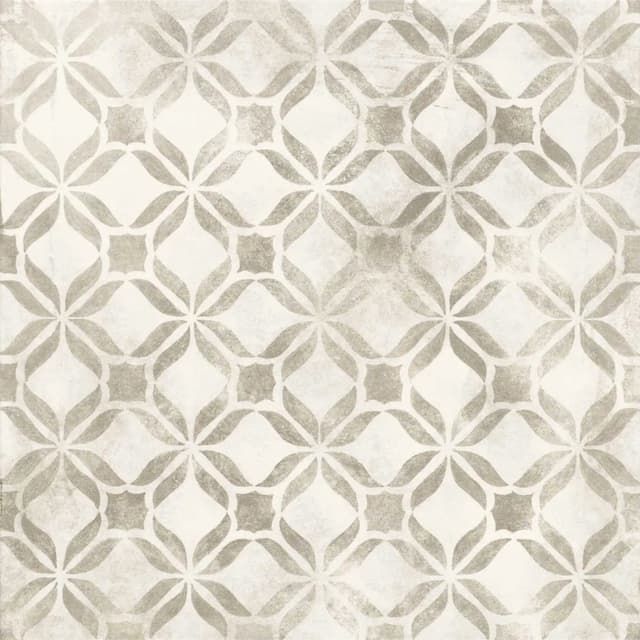
Exposed to rain, irrigation, frost and leaves. Choose an outdoor-rated, textured tile, and in Central Otago check frost resistance too (see our frost-proof tiles guide). Several in/out tiles list a P4 slip rating on their product pages, including Ceppo Blanco In/Out, Dreamy Cream In/Out and Yoga Gris In/Out. Shaded areas that stay damp, grow moss or ice over need extra care with drainage and maintenance whatever the rating.
Ramps and steps
D1/AS1 accepts P4 for stairs and ramps no steeper than 1:12. Steeper slopes need a higher classification worked out from AS 4586 Appendix F. Avoid glazed or polished tiles on any slope. Consider contrasting, slip-resistant stair nosings. A Table 2 note says that with slip-resistant nosings at least 50 mm wide, stair tread acceptability is based on level surface requirements.
Front entrances and porches
For houses, this is the route where the D1/AS1 wet slip requirement applies: the approach to the main entrance. Use an outdoor tile with an SRV of at least 39 (P4 or P5 gives you margin), and plan matting or a slip-resistant inside zone so wet shoes do not carry water onto smooth interior tiles.
Wet bathrooms and showers
For houses, D1/AS1 assumes internal floors are dry and suggests mats for bathrooms. Shower floors are different in practice because they are wet every time they are used. Sensible choices:
- A matt, textured or anti-slip finish rather than polished or gloss on shower floors.
- Smaller tiles or mosaics, which add grout lines for grip and follow the falls to the waste more easily. Our mosaic range includes sheets listed as suitable for light-traffic residential bathroom floors, such as the Penny Mosaic White Matt.
- An anti-slip tile carried through the bathroom for a seamless look, such as the Fresco Ash Grey Antislip or Gatsby Black Antislip. Check the slip test data for your chosen tile.
- For level-entry and accessible bathrooms, get specific advice; E3/AS1 also requires falls of at least 1:50 in open showers. See our bathroom waterproofing guide.
Kitchens and laundries
D1/AS1 treats these as dry in houses. A matt or satin porcelain is a good balance between grip and easy cleaning. Polished tiles can be slippery when something is spilled.
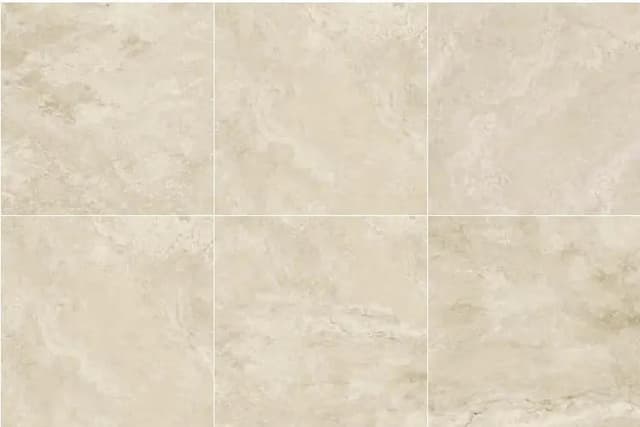
Bella Travertine Beige Antislip Paver
60 × 60 cm · Anti-slip
$135.30 per m² + GST
$155.60 per m² incl. GST
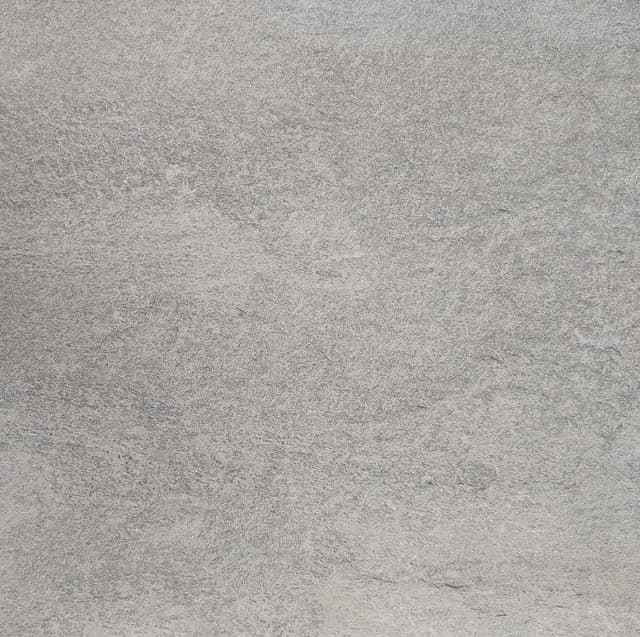
Solid Grey Antislip Paver
60 × 60 cm · Anti-slip
$135.30 per m² + GST
$155.60 per m² incl. GST
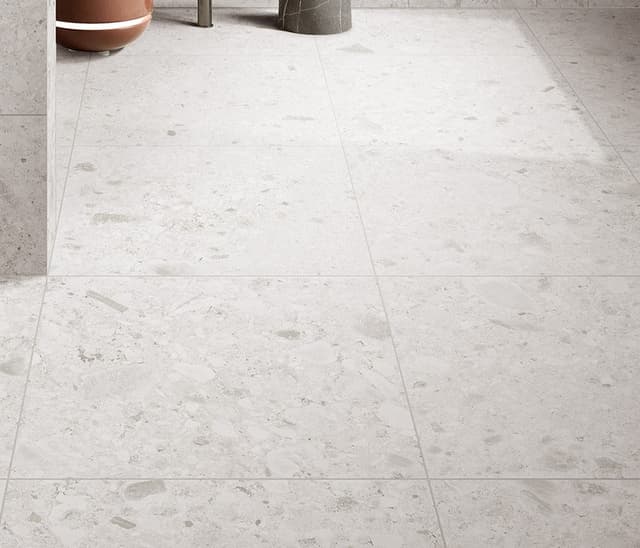
Ceppo Blanco In/Out
60 × 60 cm
$75.90 per m² + GST
$87.29 per m² incl. GST
Dreamy Cream In/Out
60 × 60 cm
$77.00 per m² + GST
$88.55 per m² incl. GST
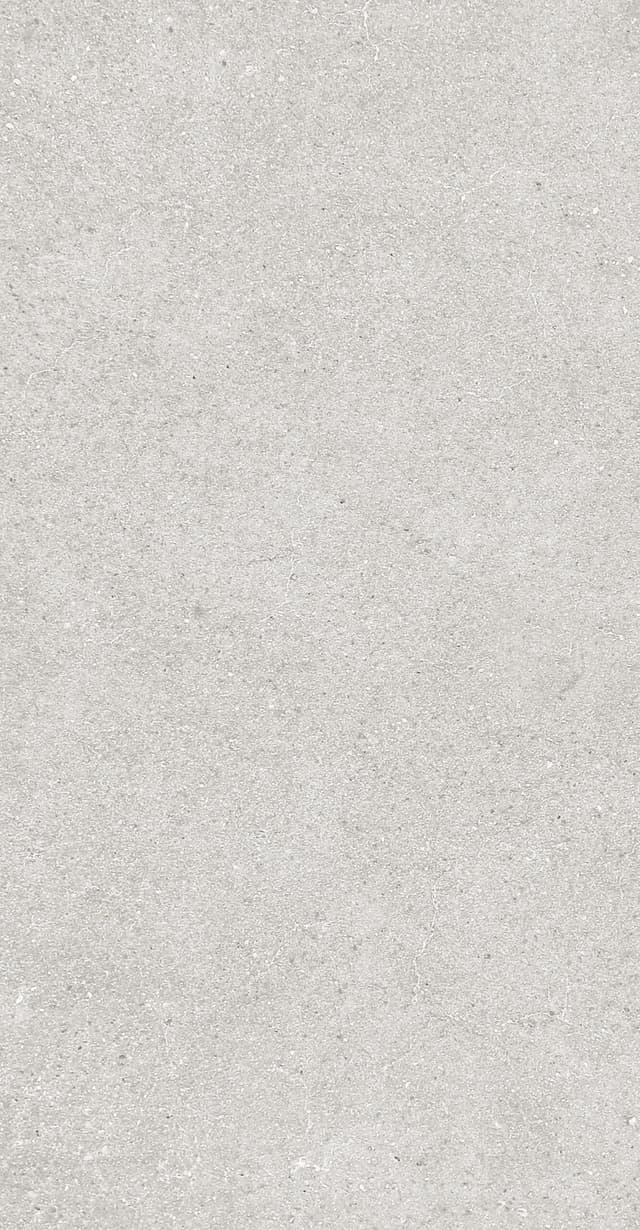
Yoga Gris In/Out
60 × 120 cm
$83.40 per m² + GST
$95.91 per m² incl. GST
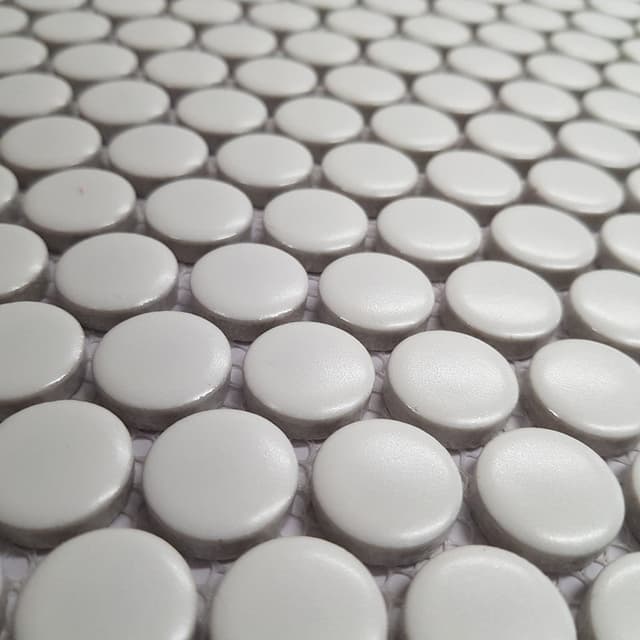
Penny Mosaic White Matt
31.5 × 31 cm · Matt
$19.99 per sheet + GST
$22.99 per sheet incl. GST
Fresco Ash Grey Antislip
32.9 × 32.9 cm · Anti-slip
$155.10 per m² + GST
$178.37 per m² incl. GST
Gatsby Black Antislip
20 × 20 cm · Anti-slip
$132.00 per m² + GST
$151.80 per m² incl. GST
Keeping a floor slip resistant
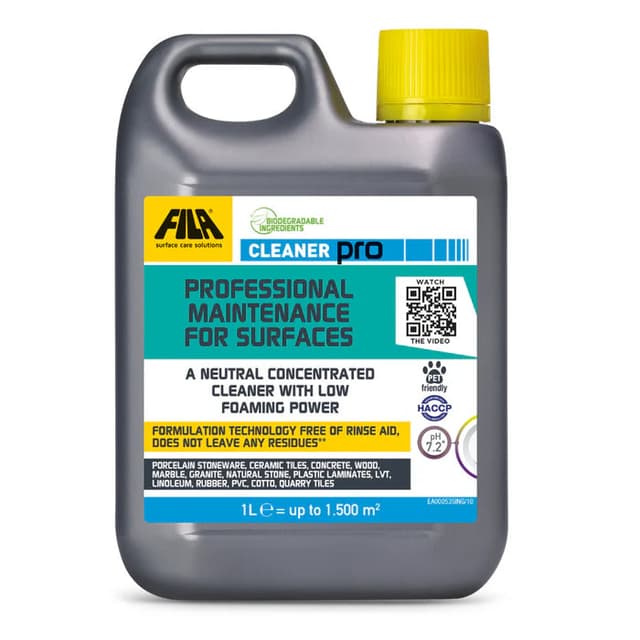
- Clean properly. Residue from the wrong cleaner can make a textured tile slippery. Use a pH-neutral cleaner such as FILA Cleaner Pro and rinse well.
- Be careful with sealers and coatings. AS 4586 can be used to evaluate sealers and polishes because they can change slip resistance. Test any sealer on a spare tile first.
- Clear moss, algae and leaves from shaded outdoor areas, and keep drains clear.
- Manage ice. No tile is slip resistant under ice. Good drainage and winter care matter in frost-prone areas.
- Use mats at entrances and beside baths and showers.
Questions to ask before you buy
- Which test method was used: wet pendulum, oil-wet ramp or barefoot ramp?
- What is the actual result (the SRV, the ramp class or the barefoot class), and to which standard?
- For pendulum results, which slider rubber was used? D1/AS1 refers to Slider 96.
- Is the rating for the exact finish you are buying? Many ranges come in a smooth indoor finish and a textured outdoor finish that look similar.
See and feel the difference in Cromwell
Slip-resistant finishes feel very different in the hand, and photos do not show texture well. Visit our showroom at Unit 2/4 Cemetery Road, Cromwell (see the showroom page), browse the outdoor and in/out and porcelain ranges, order samples, or email contact@atelierceramics.co.nz and we will look up slip test data for the tiles you are considering.
Our sister business Nunes Tiling installs outdoor, pool-surround and bathroom tiling across Central Otago. Ask for a quote through our installation page.
Questions
- What is the difference between P ratings and R ratings?
- P ratings (P0 to P5) come from the wet pendulum test in AS 4586, which simulates a shoe heel on a wet surface. R ratings (R9 to R13) come from an oil-wet ramp test with safety boots, originally designed for commercial and industrial floors. They measure different things and are not directly interchangeable.
- What slip rating do I need for an outdoor patio?
- The Building Code does not set a number for a private patio. A textured outdoor tile in the P4 or P5 range, or around R11, is a common choice for exposed outdoor areas. Check the actual test result for the tile and consider frost, shade and slope.
- What slip rating is needed around a swimming pool?
- D1/AS1 says Classification B from the AS 4586 wet barefoot ramp test gives acceptable slip resistance in areas used mainly barefoot, such as pool surrounds. Ask for the barefoot test result for any tile you are considering.
- Does the Building Code require anti-slip tiles in my bathroom?
- For houses, D1/AS1 assumes internal access routes, including bathrooms, are dry in normal use, and suggests mats to manage partly wet bathroom floors. Choosing a matt or textured tile for shower floors is still sensible.
- Is P3 enough to meet D1/AS1 for a wet entrance?
- Not necessarily. D1/AS1 asks for an SRV of at least 39, and the P3 band runs from 35 to 44. Ask for the actual SRV, or choose P4 or P5, which start at 45.
- What rating do ramps and steps need?
- D1/AS1 accepts a P4 wet pendulum rating for stairs and for ramps no steeper than 1:12. Steeper ramps need a higher classification worked out from AS 4586 Appendix F. Glazed or polished tiles are not suitable on slopes or stairs.
- Can a sealer make my tiles more slippery?
- It can. Sealers, polishes and coatings can change slip resistance, which is why AS 4586 can be used to evaluate them. Test any sealer on a spare tile and follow the maker's directions.