

10 min de leitura
Frost-proof and outdoor tiles for Central Otago and NZ winters
Choose frost-proof outdoor tiles in NZ: low water absorption porcelain, ISO 10545-12, outdoor adhesive and grout, falls and sealing for cold winters.
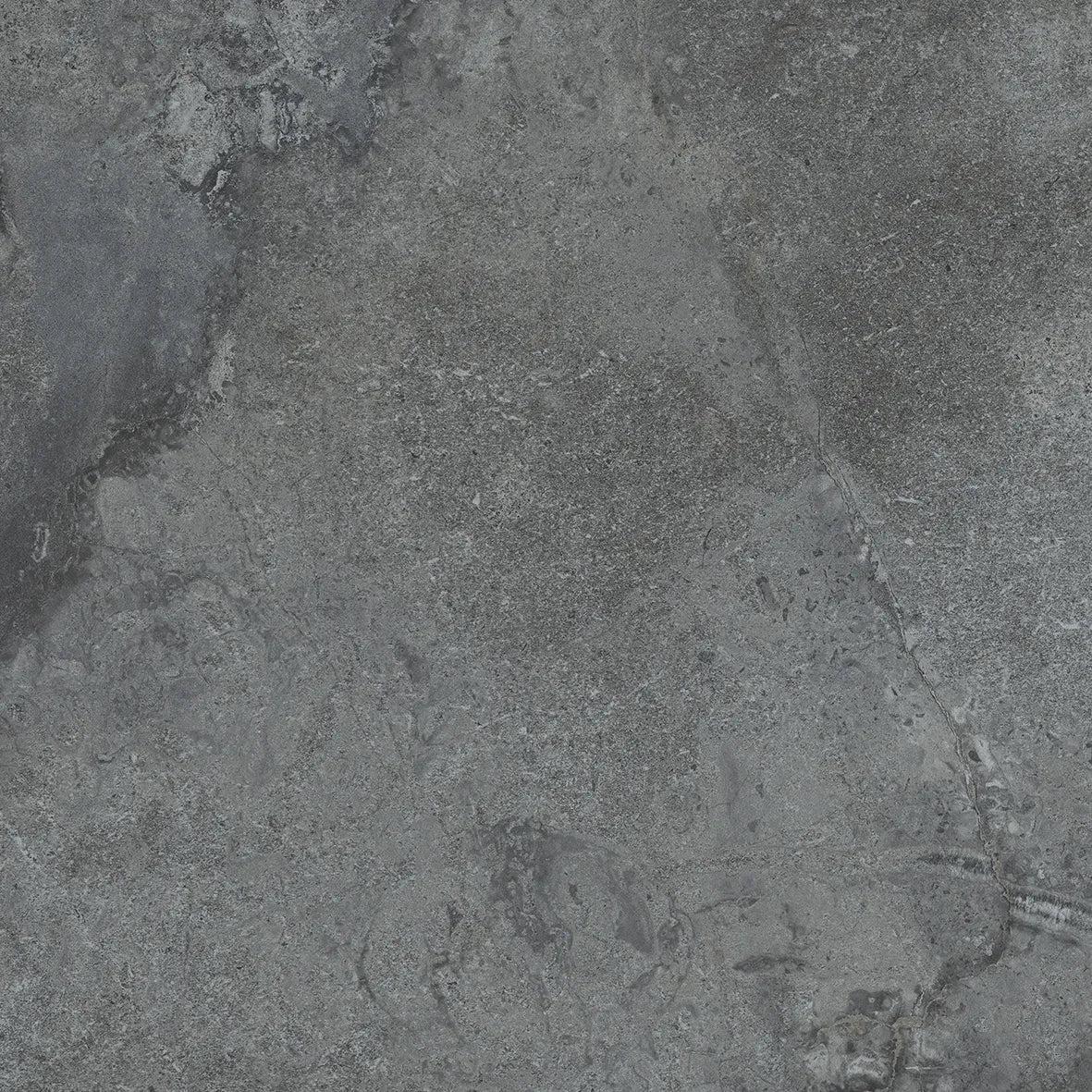
Winter in Central Otago is hard on outdoor surfaces. Clear, still nights pull temperatures well below zero, and the next day the sun warms the same patio or step back up again. Any tile, adhesive or grout that holds water will be tested by that cycle again and again. This guide explains what actually makes an outdoor tile frost resistant, which numbers to look for on a technical sheet, and how the installation (adhesive, grout, falls, drainage and sealing) decides whether a tiled area lasts one winter or twenty.
It is written for homeowners, builders and tilers anywhere in New Zealand, with extra detail for Cromwell, Alexandra, Wanaka, Queenstown and the wider Central Otago area, where frost is a normal part of the year rather than an occasional event.
How cold does it get in Central Otago?
NIWA's climatology for Otago (The climate and weather of Otago, 3rd edition) shows how frequent frost is inland:
- Alexandra averages about 86 days a year when the air temperature drops below 0°C, with a lowest recorded air temperature of -11.7°C.
- Queenstown averages about 47 such days a year and Wanaka Airport about 73.
- At ground level it is colder again. Alexandra's lowest recorded grass minimum is -15.0°C, and ground frosts are recorded on average in every month of the year, including mid-summer.
- NIWA also notes Central Otago is the driest part of New Zealand, often under 400 mm of rain a year.
Low rainfall does not mean low risk. Frost damage needs water, and outdoor tiles still get plenty of it from irrigation, snow melt, hoses, pool splash, condensation and water that sits on flat or shaded areas. Shaded south-facing paths and steps that stay frozen all day while the surface above thaws are often where problems show first.
Why tiles crack and lift in frost
Water expands when it freezes. If water has soaked into a tile body, or is sitting in hollow spots in the adhesive bed or in grout joints, every freeze pushes outward on the material around it. One frost rarely does visible damage. Dozens of freeze and thaw cycles each winter, year after year, can lead to:
- Surface flaking or spalling, where thin layers break off the tile face.
- Cracked tiles, especially over hollow spots where there was no adhesive behind them.
- Tiles lifting or "drumming" because the adhesive bond has been broken.
- Crumbling or washed-out grout joints.
So frost resistance is about two things working together: a tile that absorbs very little water, and an installation that does not leave water trapped underneath or around it.
What to look for on the tile
Water absorption of 0.5% or less
Ceramic tiles are classified by how much water they absorb as a percentage of their weight (ISO 13006). The group with water absorption of 0.5% or less (group BIa) is what most people mean by porcelain. Ordinary ceramic wall tiles can absorb 10% or more. The lower the absorption, the less water there is inside the tile to freeze. For outdoor use in a frost area, start with porcelain and check the absorption figure on the technical sheet. Our porcelain or ceramic guide explains the difference in more detail.
Frost resistance tested to ISO 10545-12
ISO 10545-12 is the international test method for frost resistance of ceramic tiles. Water-soaked tiles are taken through repeated freeze and thaw cycles (the standard calls for at least 100 cycles) and then inspected for damage. When a tile has passed, the manufacturer's technical sheet normally says so. A low absorption figure is a strong indicator, but the frost test result is the clearer answer, so ask for it before you buy for an exposed outdoor area.
Frost resistance is not shown as a standard field on every product page on our site. Some pages do state it in the description. For example, the Yoga Gris In/Out page describes the tile as frost proof with a P4 anti-slip finish, and the Ceppo Blanco In/Out page lists it as frost proof and P4. For other tiles in our outdoor and in/out range, email us and we will check the technical sheet for you.
Slip resistance for wet and icy surfaces
Outdoor tiles need a textured or anti-slip surface. In New Zealand you will see pendulum ratings (P0 to P5, from AS 4586) and oil-wet ramp ratings (R9 to R13). Frost and ice change everything, though: no tile is slip resistant when covered in ice. Choose a rating suited to wet conditions, then manage ice with drainage, shade planning and care in winter. Our anti-slip tiles and slip ratings guide explains the ratings and what the Building Code says.
Thickness and format
- 10 mm outdoor or in/out porcelain is laid like a floor tile on a solid, well-prepared slab with a full adhesive bed.
- 20 mm porcelain pavers, such as our Solid Grey Antislip Paver and Mars Graphite Antislip Paver, are heavier and stronger. Depending on the manufacturer's instructions, 20 mm pavers can sometimes be laid on other systems such as pedestals or compacted bases as well as bonded to concrete. Always follow the specific product instructions.
- Matching in/out ranges let you run the same look from a living room out onto a patio. Check that the outdoor version has the textured finish and that both are frost rated if the outdoor area is exposed.
What about natural stone?
Natural stone varies a lot. Dense stones can perform well outside, while softer or more porous stones can take on water and suffer in hard frosts. If you want a stone look in a frost-prone spot, a stone-look porcelain is usually the lower-risk choice. If you choose real stone, ask for its absorption and frost data and plan to seal it.
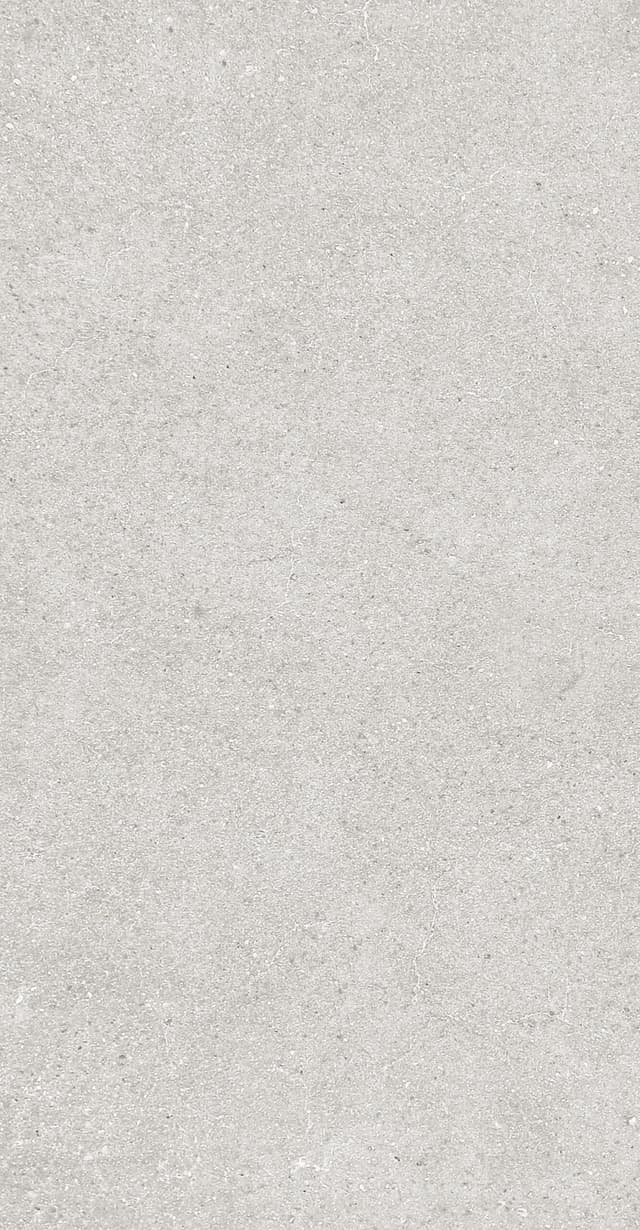
Yoga Gris In/Out
60 × 120 cm · Anti-slip
$ 83,40 por m² + GST
$ 95,91 por m² com GST
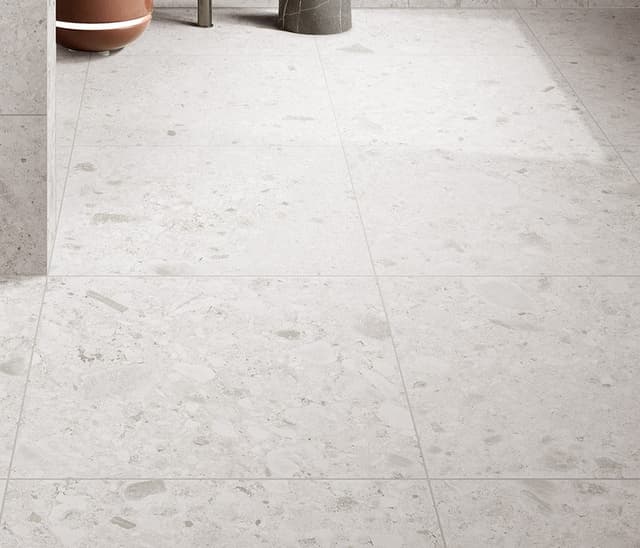
Ceppo Blanco In/Out
60 × 60 cm · Anti-slip
$ 75,90 por m² + GST
$ 87,29 por m² com GST
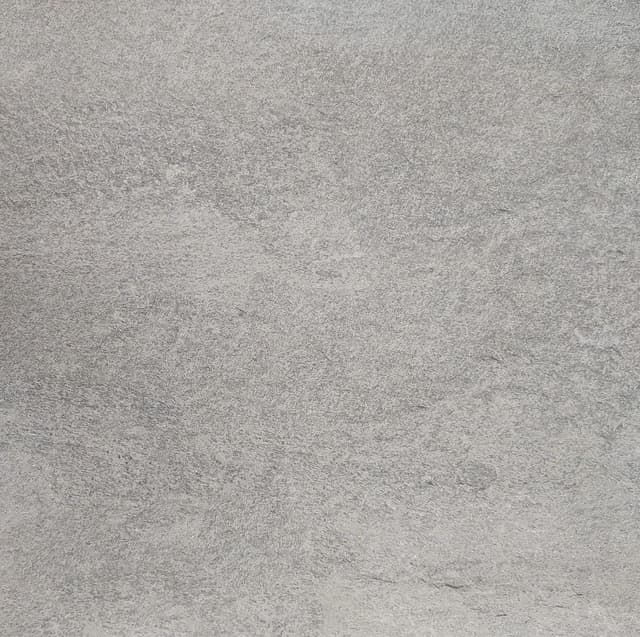
Solid Grey Antislip Paver
60 × 60 cm · Antiderrapante
$ 135,30 por m² + GST
$ 155,60 por m² com GST
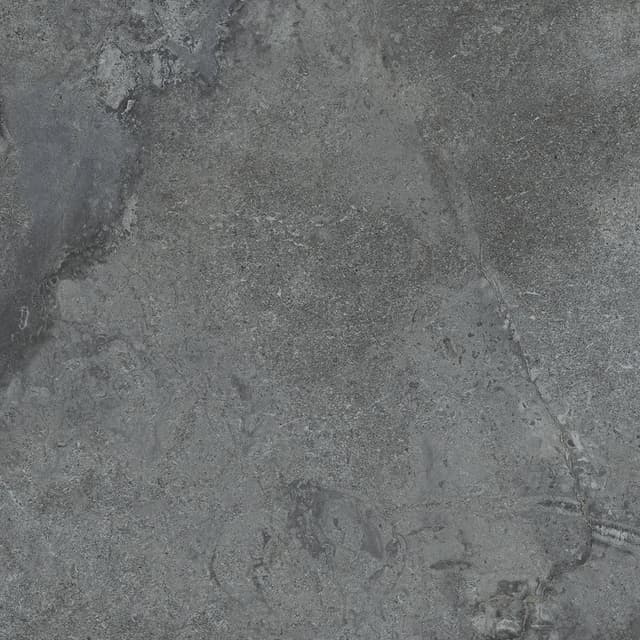
Mars Graphite Antislip Paver
60 × 60 cm · Antiderrapante
$ 135,30 por m² + GST
$ 155,60 por m² com GST
The installation decides the outcome
Even a fully frost-resistant tile can fail if water gets trapped underneath it. These are the areas that matter most.
A sound, stable base
Outdoor tiling needs a solid, cured base: usually a concrete slab with the right falls built in. Tiling over timber decks, or over a deck or balcony above a living space, is a waterproofing and weathertightness job that needs specific design. BRANZ notes that waterproof decks over interior or exterior spaces carry a high risk of weathertightness failure, so get these designed and consented properly before you choose tiles.
Falls and drainage
Water must run off, not sit. A fall built into the slab or screed sends water to the edge, to a channel drain or to a floor waste. Ponding water is what freezes and does the damage.
- For membrane decks designed to Acceptable Solution E2/AS1, BRANZ's deck drainage guidance says E2/AS1 requires at least 1:60 (about 1°) across the waterproof surface, and BRANZ recommends at least 3° so small construction errors or sagging do not stop water draining. Check the current E2/AS1 and the membrane manufacturer's requirements for your design.
- For ground-level patios, your designer or tiler will set a fall that clears water away from the house and toward a safe outlet.
- Linear drains are useful along door thresholds and at the low edge of a patio. Our trims and drainage range includes options such as the Hayman aluminium drain grate.
- Where falls need to be built up, a purpose-made screed such as Ezymix 878 Tilers Screed is designed for forming falls. Its product page lists application temperatures of +10°C to +25°C for the substrate and +5°C to +25°C ambient, a reminder of how much temperature matters.
Adhesive made for outdoor use
Outdoor adhesives need to cope with temperature swings, moisture and the movement between a cold tile surface and a warmer slab. Look for an improved cement-based adhesive (class C2 under ISO 13007) with deformability (S1 or S2), suitable for external use according to its data sheet. Examples in our adhesives and grout range whose pages say they are suitable outdoors include:
- Ardex X 18, described as suitable for internal and external situations including swimming pools.
- TECHNO STAR, described as a highly deformable adhesive for indoor and outdoor walls and floors.
- MAPEI Ultralite S2 T Flex, a C2TE S2 adhesive for large-format porcelain indoors and outdoors.
- Laticrete 335 Premium Flexible Adhesive, listed for interior and exterior floors and walls and meeting C2TE.
Full adhesive coverage, no hollow spots
Hollow spots under a tile are small reservoirs for water. Outdoors, aim for full, solid coverage: use the right notched trowel, back-butter large tiles, and lift a tile now and then to check the contact. Tile levelling clips help keep large tiles flat but do not replace good coverage.
Grout and movement joints
- Use a grout rated for exterior use. Improved cement grouts with reduced water absorption (CG2W, often CG2WA) or epoxy grouts suit outdoor areas. Examples include PERMACOLOR Grout for 1.5 to 12 mm joints, WIDE Joint XL Grout for joints from 2 to 60 mm, and epoxy options like Mapei Kerapoxy Design Easy. Check each data sheet for exterior and frost suitability.
- Movement joints are essential outside. Large areas expand and contract with the seasons and with daily sun. Joints are needed at perimeters, at changes of plane, over joints in the slab and at intervals across larger areas, filled with a flexible sealant rather than grout. Your tiler or designer will set out spacing to suit the adhesive and tile maker's guidance.
- Our full grout guide covers grout types, joint widths and colour.
Weather during installation
Cold slows the curing of cement-based adhesives, screeds and grouts, and freezing before they cure can ruin them. Check the minimum application temperatures on each bag, keep an eye on the overnight forecast, and protect fresh work from frost, rain and strong sun. In Central Otago, outdoor tiling often suits the warmer months, or needs careful planning in shoulder seasons.
- Em estoque
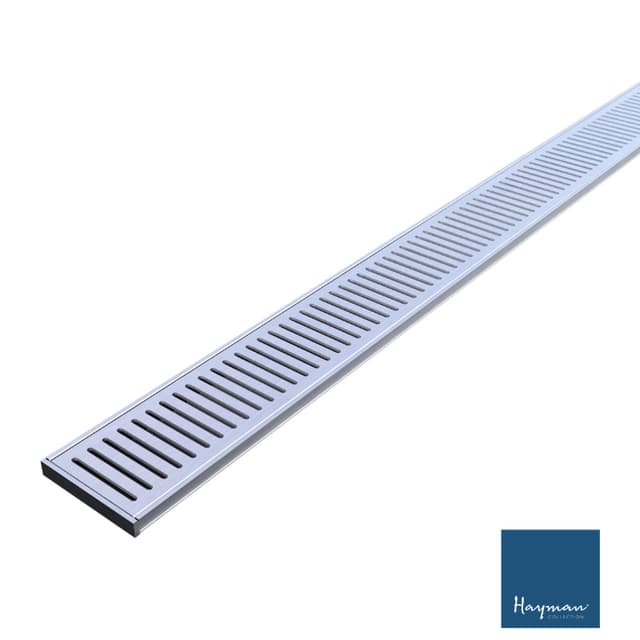
Hayman Aluminium Drain Grate 3m X 100mmX 14mm
DTA
$ 385,00 – $ 433,12 cada + GST
$ 442,75 – $ 498,09 cada com GST
- Em estoque
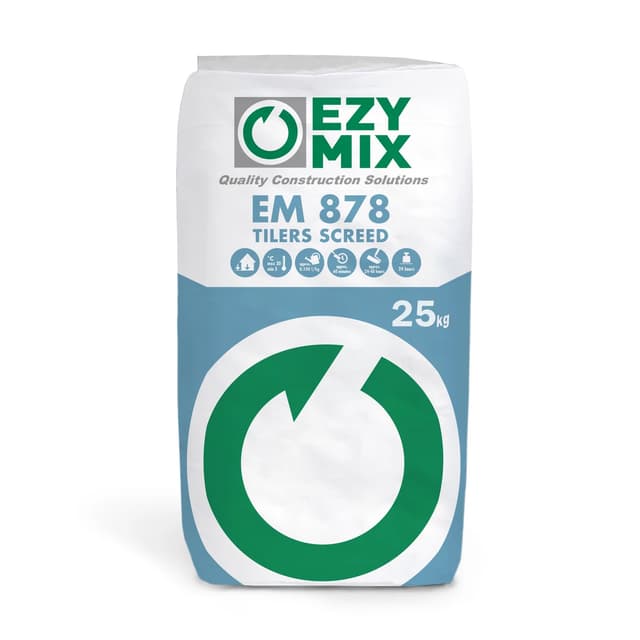
Ezymix 878 Tilers Screed 25KG
Ezymix
$ 33,38 cada + GST
$ 38,39 cada com GST
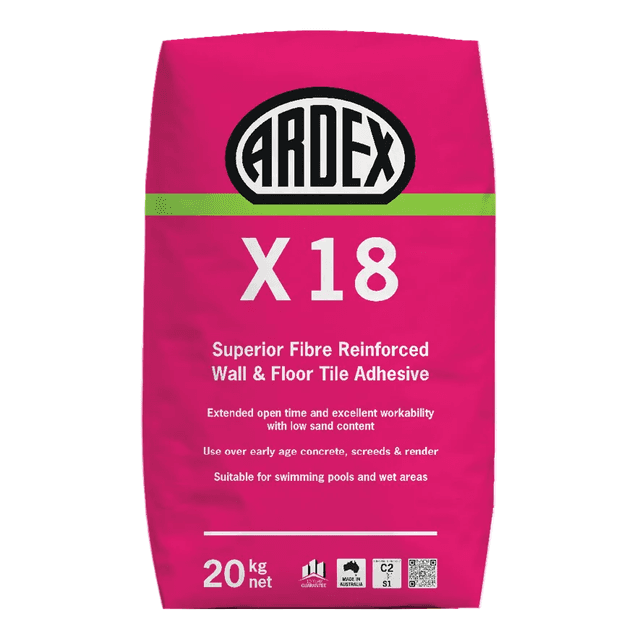
Ardex x18 20kg
Ardex
$ 59,69 – $ 91,25 cada + GST
$ 68,64 – $ 104,94 cada com GST
- Em estoque
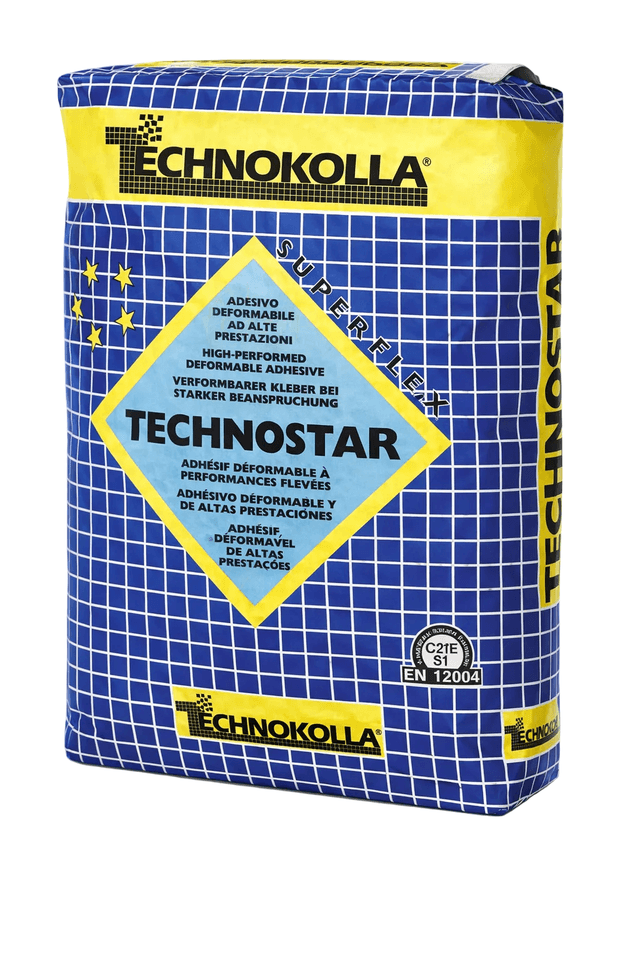
TECHNO STAR 25kg
Technokolla
$ 60,92 – $ 63,63 cada + GST
$ 70,06 – $ 73,17 cada com GST
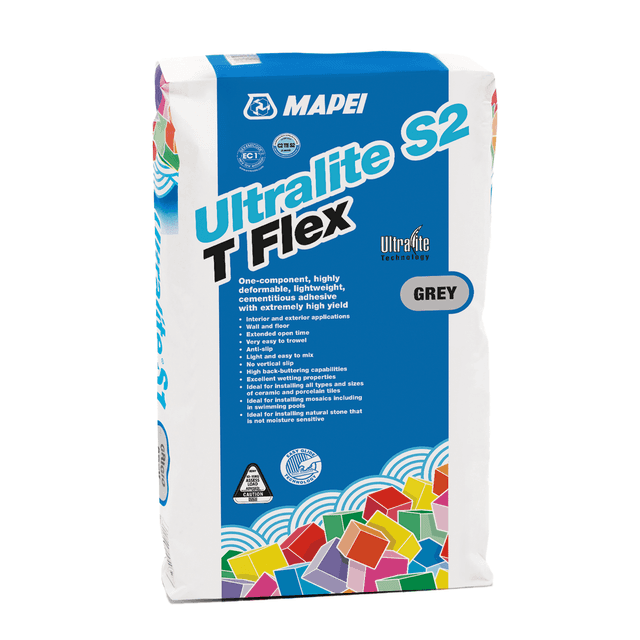
MAPEI Ultralite S2 T Flex Grey 13.5kg
Mapei
$ 90,00 cada + GST
$ 103,50 cada com GST
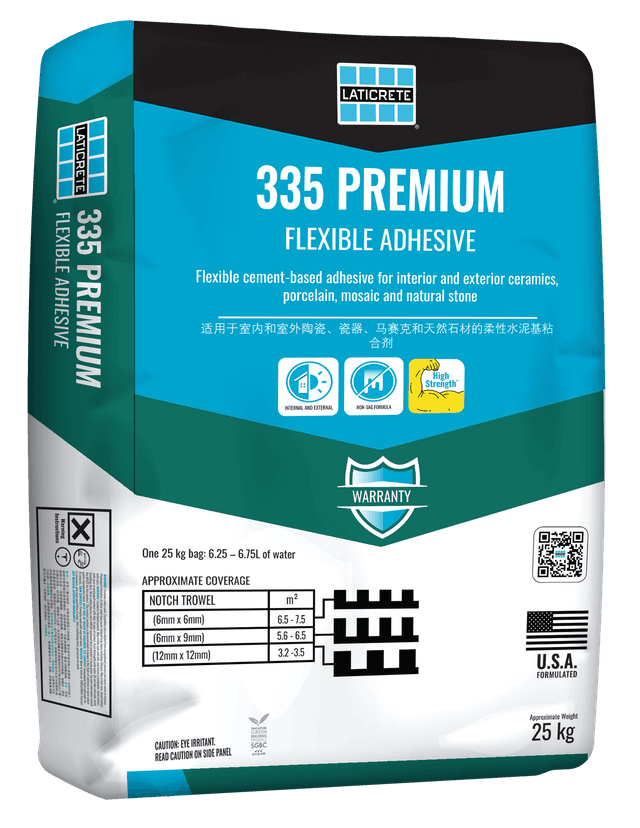
335 Premium Flexible Adhesive Grey 25kg Laticrete
Laticrete
$ 38,50 cada + GST
$ 44,28 cada com GST
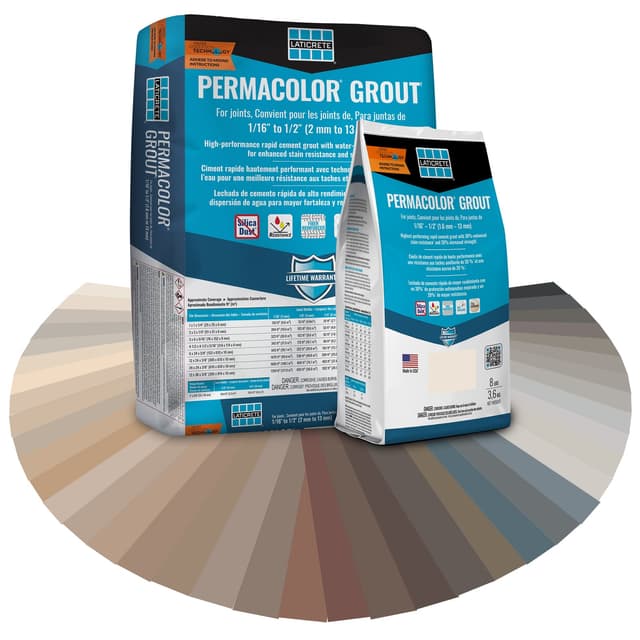
PERMACOLOR Grout (Premium Cementitious Grout 1.5-12mm)
Laticrete
$ 26,40 – $ 46,20 cada + GST
$ 30,36 – $ 53,13 cada com GST
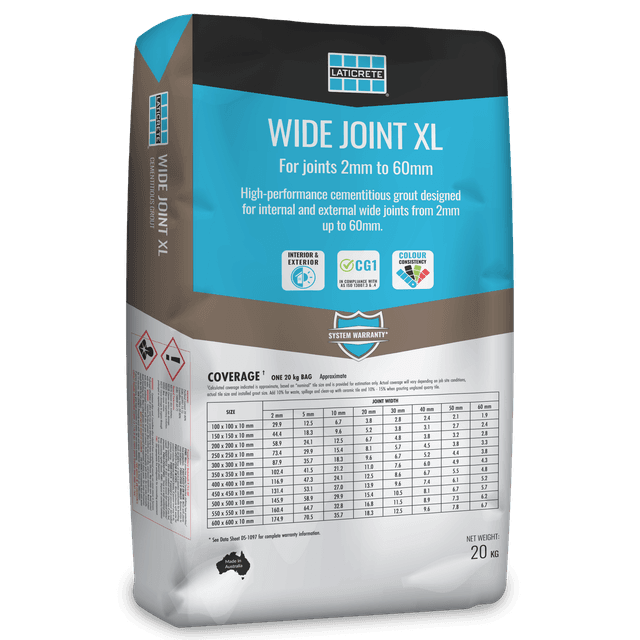
WIDE Joint XL Grout 20kg (2-60mm)
Laticrete
$ 39,60 cada + GST
$ 45,54 cada com GST
- Em estoque
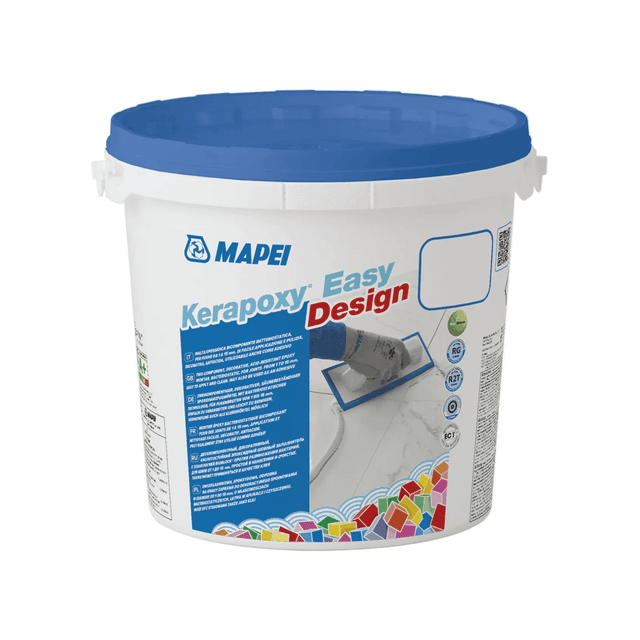
Mapei Kerapoxy Design Easy
Mapei
$ 88,50 cada + GST
$ 101,78 cada com GST
Sealing outdoor tiles
- Glazed porcelain generally does not need sealing.
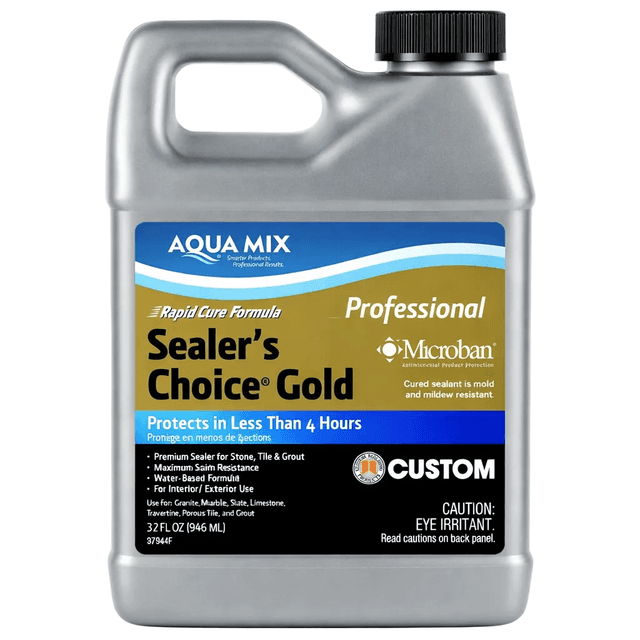
- Unglazed porcelain, natural stone and cement grout can benefit from a penetrating (impregnating) sealer that reduces water and stain uptake. A penetrating sealer such as Aqua Mix Sealer's Choice Gold is listed for interior and exterior use and allows vapour transmission. Breathable sealers are the safer choice outdoors, because a surface film can trap moisture.
- Re-apply sealers at the interval the manufacturer recommends. Water beading on the surface is a good sign the sealer is still working.
- Some sealers change slip resistance or appearance, so test on a spare tile first.
Winter care
- Keep drains, channel grates and gutters clear of leaves before winter.
- Sweep away standing water and slush on shaded areas.
- Be cautious with de-icing salts and chemicals. Some can damage natural stone, cement grout and metal trims, so check with the product maker first.
- Use a pH-neutral cleaner for routine cleaning so you do not strip sealers or wear grout.
- Replace any cracked tile or failed grout joint promptly, before more water gets in. Keeping a few spare tiles from the original batch makes this easy.
A quick checklist for frost-prone outdoor tiling
- Porcelain with water absorption of 0.5% or less.
- Frost resistance to ISO 10545-12 on the technical sheet.
- A slip rating suited to wet outdoor use.
- A solid, cured base with falls and somewhere for water to go.
- A C2, deformable (S1 or S2) adhesive rated for exterior use, with full coverage.
- Exterior-rated grout and properly placed movement joints.
- Installation in suitable temperatures, with fresh work protected.
- A breathable sealer where the tile or grout needs it, and simple winter maintenance.
See outdoor tiles in Cromwell
Our showroom at Unit 2/4 Cemetery Road, Cromwell, has outdoor and in/out tiles you can see and feel full size, along with the adhesives, grouts and drainage to go with them. Browse the outdoor and in/out range or the porcelain range, order a sample, or email contact@atelierceramics.co.nz and we will check frost and slip data for any tile you are considering. Visit the showroom page for hours and directions.
If you would rather have it done for you, our sister business Nunes Tiling installs outdoor tiling across Cromwell, Wanaka, Queenstown, Alexandra and the wider Central Otago area. See our installation page to ask for a quote.
Perguntas
- What makes a tile frost proof?
- A frost-resistant tile absorbs very little water (porcelain at 0.5% or less) and has passed the ISO 10545-12 frost resistance test. The installation matters just as much: full adhesive coverage, exterior-rated adhesive and grout, falls so water runs off, and movement joints.
- Can I use ceramic tiles outside in Central Otago?
- Standard ceramic tiles usually absorb far more water than porcelain and are not suited to exposed outdoor areas where they will freeze. For patios, paths, steps and pool surrounds in frost-prone areas, choose porcelain that is rated for outdoor use and frost.
- Do 20 mm porcelain pavers handle frost better than 10 mm tiles?
- Pavers are stronger and heavier, but frost resistance comes mainly from low water absorption and a passed frost test, not thickness. Both can perform well outdoors when the product is frost rated and installed to the manufacturer's instructions.
- Can I tile outside in winter?
- It depends on the temperature. Adhesives, screeds and grouts list minimum application temperatures on the bag, and fresh work must be protected from frost until it has cured. In Central Otago, outdoor tiling is often easier in the warmer months.
- Do outdoor porcelain tiles need sealing?
- Glazed porcelain usually does not. Cement grout, unglazed porcelain and natural stone can benefit from a breathable penetrating sealer. Test any sealer on a spare tile first, as some change the look or slip resistance.
- What fall does an outdoor tiled area need?
- Enough that water runs off and never ponds. For membrane decks designed to E2/AS1, BRANZ guidance cites a minimum of 1:60 and recommends 3°. Check the current E2/AS1, the membrane maker's instructions and your designer's specification for your project.
- How do I know if a tile on your website is frost resistant?
- Frost resistance is not shown as a standard field on every product page. Some pages state it in the description. For any other tile, email contact@atelierceramics.co.nz and we will check the manufacturer's technical sheet for you.