

10 min read
How to choose tiles for every room in your home
Choose the right tiles for bathrooms, showers, kitchens, laundries, living floors, entries and outdoors. Porcelain, ceramic or stone, sizes, finishes, PEI.
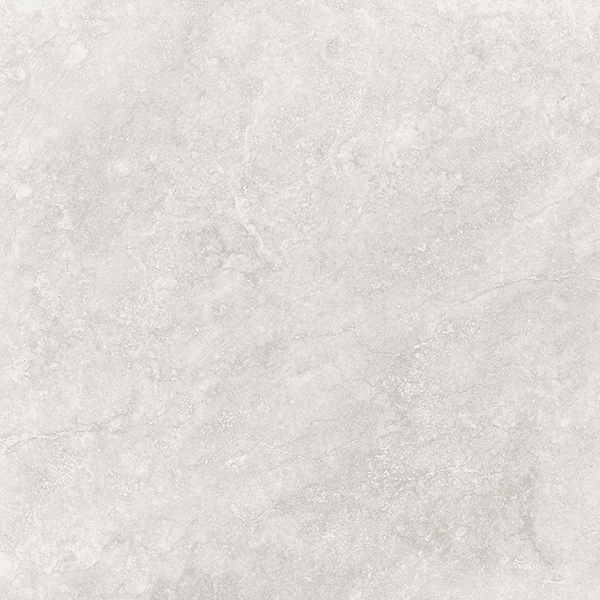
The right tile for a splashback is not always the right tile for a shower floor, a front entry or a frosty patio. Each room asks something different of a tile: water resistance, wear resistance, grip, easy cleaning, warmth underfoot or simply the look you want.
This guide walks through the main tile materials, the technical numbers worth knowing (water absorption, PEI rating and slip rating), sizes and finishes, and then goes room by room through a New Zealand home. It is written for homeowners, renovators, builders and tilers, with a few notes for cold Central Otago winters.
Start with the material
Porcelain
Porcelain is made from refined clay fired at high temperature until it is dense and hard. Under ISO 13006 it is the group that absorbs 0.5% or less of its weight in water. That low absorption makes it stain resistant, strong and suitable for floors, showers and, when rated for it, outdoor areas exposed to frost.
- Glazed porcelain has a printed glaze on top, which allows almost any look: stone, concrete, timber, terrazzo or plain colour.
- Through-body or colour-body porcelain carries the colour through the tile, so chips and wear show less.
- Rectified porcelain has edges ground square after firing, allowing tighter, straighter grout joints.
Browse our porcelain range.
Ceramic
Ceramic tiles are softer and lighter, fired at lower temperatures, and usually absorb more water (often above 3%, and wall tiles often 10% or more). They are easier to cut and shape, come in rich glazes and handmade looks, and are ideal for walls, splashbacks and feature areas. Only use ceramic on floors if it is rated for floor use, and keep it to light-traffic indoor areas. Ceramic is not for outdoor use in frost.
Our porcelain or ceramic guide has a side-by-side table, and you can browse wall and subway tiles and handmade-look tiles.
Natural stone
Marble, travertine, limestone, slate and granite each have their own character, and no two pieces are the same. Stone needs more care than porcelain:
- Many stones are porous and need sealing, sometimes before and after grouting.
- Marble and limestone are sensitive to acids, so lemon juice, wine and some cleaners can etch them.
- Polished stone can be slippery when wet. D1/AS1 Table 2 lists polished marble and granite as not acceptable for wet level surfaces.
- Some stones are moisture sensitive and need specific adhesives.
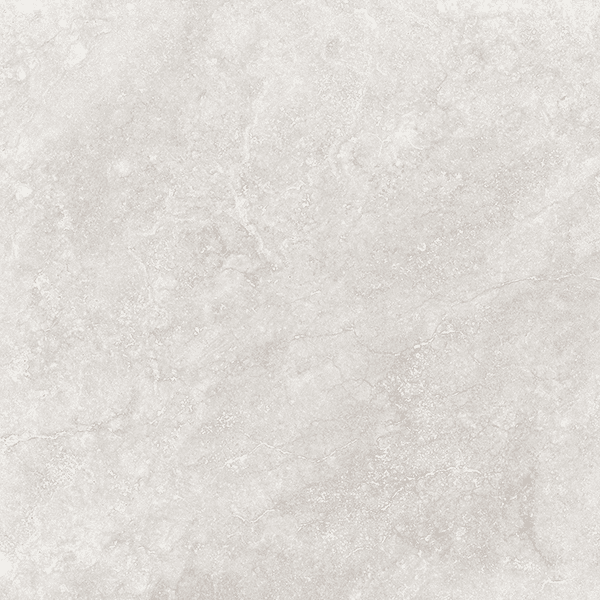
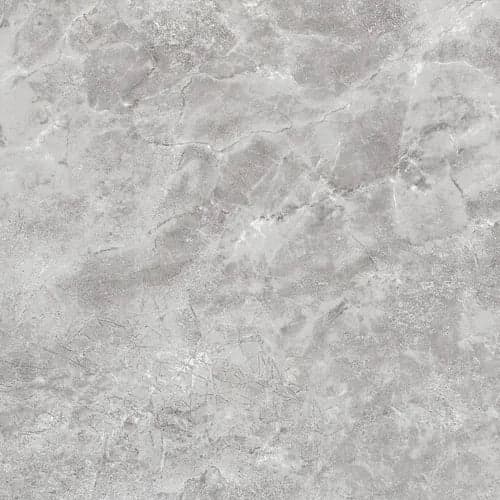
If you love the look but want less maintenance, stone-look porcelain is the practical alternative. Our stone and marble look range includes tiles such as Venture Travertine Ivory, a glazed porcelain with rectified edges and a matt surface for floors and walls, and Marmi Grey Marble Satin for walls and floors.
Terrazzo and mosaics
Terrazzo-look porcelain gives a speckled, hard-wearing surface (see our terrazzo range). Mosaics, small tiles mounted on mesh sheets, are great for shower floors, niches and feature walls (see our mosaic range). Check each mosaic's intended use: some are for walls only, others are listed for light-traffic floors.
The numbers worth knowing
Water absorption
The lower the number, the better the tile handles water, stains and frost.
- 0.5% or less: porcelain. Suits floors, showers and outdoor areas when rated.
- E3/AS1, the Acceptable Solution for internal moisture, allows ceramic or stone tiles with up to 6% water absorption in showers and wet areas, laid with waterproof grouted joints on a suitable membrane.
- BRANZ recommends 3% or less where possible in wet areas.
PEI rating (wear resistance of glazed tiles)
The PEI rating measures how well the glaze on a glazed tile resists surface wear, tested under ISO 10545-7. As a general guide:
0
- Typical use
- Walls only
1
- Typical use
- Very light foot traffic, such as bathrooms used in bare feet or soft slippers
2
- Typical use
- Light residential traffic, away from entrances
3
- Typical use
- Normal residential floors throughout the home
4
- Typical use
- Moderate to heavy traffic, including busy homes and light commercial
5
- Typical use
- Heavy commercial and public traffic
PEI only measures glaze wear. It does not tell you about strength, water absorption or slip resistance, and unglazed porcelain does not carry a PEI rating. If a floor tile you like does not show a PEI rating on our site, ask us and we will check the technical sheet.
Slip rating
For wet and outdoor areas, look for a slip rating: pendulum classes P0 to P5 (AS 4586) or ramp classes R9 to R13. Our anti-slip tiles and slip ratings guide explains these and what Building Code clause D1 says.
Sizes and formats
- Large format (600 x 1200 mm and up): fewer grout lines and a calm, spacious look. Needs a very flat substrate, the right adhesive and usually a levelling system. Harder to fall correctly to a shower waste unless you use a linear drain.
- Standard (300 x 600 mm, 600 x 600 mm): versatile for floors and walls.
- Small format and subway (75 x 150 mm, 100 x 200 mm and similar): classic on walls and splashbacks.
- Mosaics (under about 100 mm): follow curves and falls easily, and the extra grout lines add grip on shower floors.
- Pavers (20 mm thick porcelain): for outdoor areas and heavier loads.
Large tiles can make small rooms feel bigger by reducing visual clutter, but small tiles are more forgiving on uneven or sloping floors. Laying pattern matters too: herringbone and diagonal layouts add interest but need more cutting (see our tile quantity guide).
Finishes
- Matt: natural look, hides smudges, generally better grip. A good default for floors.
- Satin or honed: a soft sheen, easy to clean.
- Polished or gloss: reflects light and looks luxurious on walls, but can be slippery when wet on floors.
- Textured, structured or anti-slip: for showers, outdoor areas and entries.
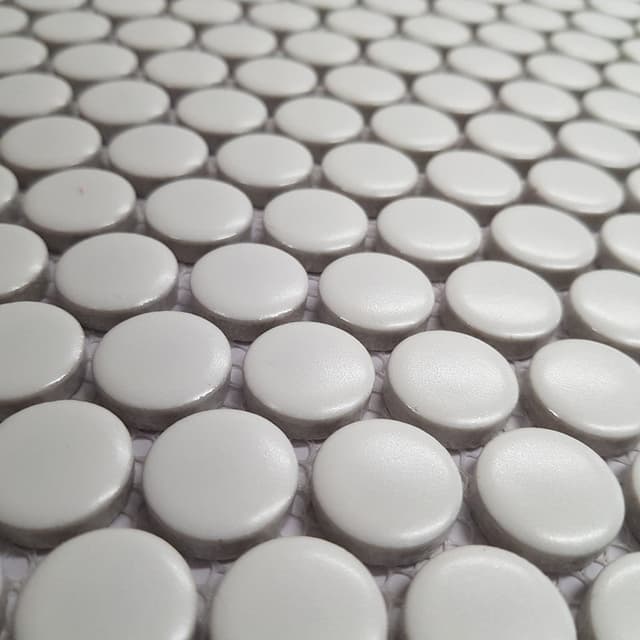
- Shade variation: many tiles are graded from uniform to highly varied. Some product pages note it; for example, our Penny Mosaic White Matt is listed as minimal shade variation (V1).
Room by room
Bathroom floors
Needs: water resistance, easy cleaning, comfortable grip when damp.
- Porcelain in a matt, satin or textured finish is the safest all-round choice.
- E3 requires bathroom floors to be impervious and easily cleaned, and edges sealed where splash can occur. Tiles need waterproof grouted joints and, depending on the substrate, a membrane. Our bathroom waterproofing guide covers what the Code asks for.
- In a cold climate, underfloor heating under tiles makes a big difference to comfort. We stock under tile heating kits and heating supplies.
Showers
Needs: impervious surfaces, drainage and grip.
- Floors: porcelain or mosaics in a matt or textured finish. Smaller tiles follow the falls to a centre waste more easily; large tiles work best with a linear drain. E3/AS1 requires open showers to fall at no less than 1:50 toward the waste.
- Walls: almost anything rated for wet walls, from gloss ceramic subway tiles to large porcelain slabs. E3/AS1 requires tiles with 6% maximum water absorption laid on a suitable membrane.
- Niches and feature walls: mosaics such as our KitKat White Gloss finger mosaic, listed for interior walls, niches and splashbacks.
- Grout: epoxy or a high-performance cement grout, with flexible sealant in the corners. See our grout guide.
Kitchen splashbacks
Needs: easy cleaning, heat and stain resistance, and a look that suits the benchtop.
- Ceramic, porcelain, glass mosaic or natural stone all work on a splashback because there is no foot traffic.
- Gloss tiles bounce light around a kitchen; matt and handmade looks add texture.
- Narrow formats such as 75 x 300 mm are popular in stack, brick or herringbone layouts. Our Namibia Slate wall tile is one example.
- Behind the cooktop, choose an easy-clean surface and a stain-resistant grout such as epoxy.
- Plan cuts around power points and window reveals before you start.
Laundries
Needs: water resistance and easy cleaning.
- Porcelain floor tiles are ideal. E3 treats laundries as spaces where floors must be impervious and easily cleaned.
- E3/AS1 also deals with overflow. Where accidental overflow could damage another household unit, containment and a floor waste are required. Even where they are not, a floor waste is good insurance against a burst hose.
- Wall tiles behind tubs and machines protect linings from splashes.
Living areas, hallways and open-plan floors
Needs: wear resistance, comfort, and a look that flows through the house.
- Porcelain with a PEI 3 or 4 rating (for glazed tiles) handles normal family traffic.
- Matt or satin finishes are more forgiving of dust and footprints than polished.
- Large formats suit open-plan spaces. Rectified edges and a levelling system help keep a flat finish.
- Tile floors store heat from the sun and from underfloor heating, which suits Central Otago's sunny winter days, but they feel cold on frosty mornings without heating. Consider heating or rugs.
- If you want to carry the same tile outside, choose an in/out range that offers a matching textured outdoor finish.
Entrances and mudrooms
Needs: grip when wet, resistance to grit and dirt, and easy cleaning.
- A textured or anti-slip porcelain in a mid tone hides dirt and gravel dust.
- For houses, Building Code clause D1 slip requirements focus on the approach to the main entrance. Plan matting or a slip-resistant zone inside the door so wet shoes do not carry water onto smoother tiles.
- A darker grout helps hide everyday dirt.
Outdoor areas: patios, paths, pool surrounds
Needs: frost resistance, slip resistance, drainage.
- Use porcelain rated for outdoor use, ideally with frost resistance tested to ISO 10545-12, and an outdoor slip rating.
- 20 mm porcelain pavers suit patios and paths. Browse our outdoor and in/out range, including pavers such as the Mars Graphite Antislip Paver.
- Exterior-rated adhesive and grout, correct falls and movement joints matter as much as the tile. Our frost-proof and outdoor tiles guide covers this in detail.
- In stock
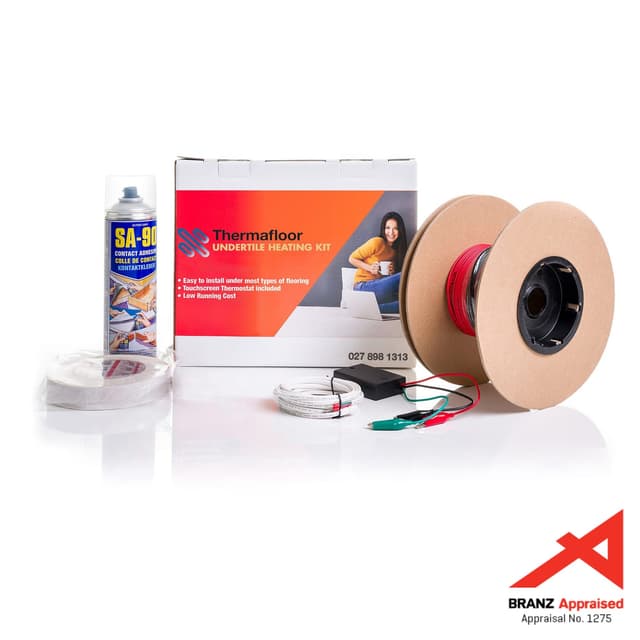
Under Tile Heating Kits
Thermafloor
from $340.00 each + GST
$391.00 each incl. GST
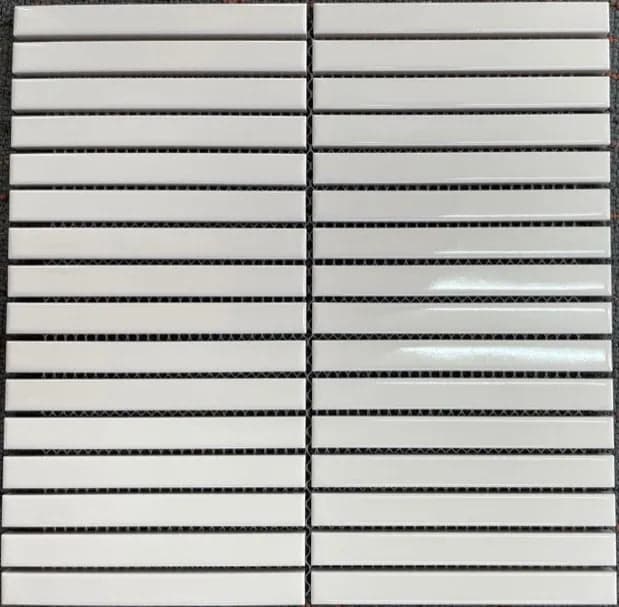
KitKat White Gloss Mosaic
29.6 × 29.7 cm · Gloss
$14.08 per sheet + GST
$16.19 per sheet incl. GST
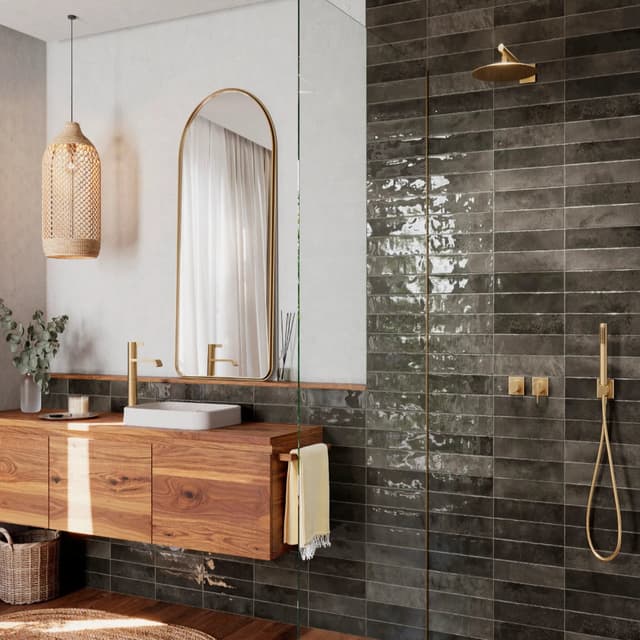
Namibia Slate
7.5 × 30 cm
$99.00 per m² + GST
$113.85 per m² incl. GST
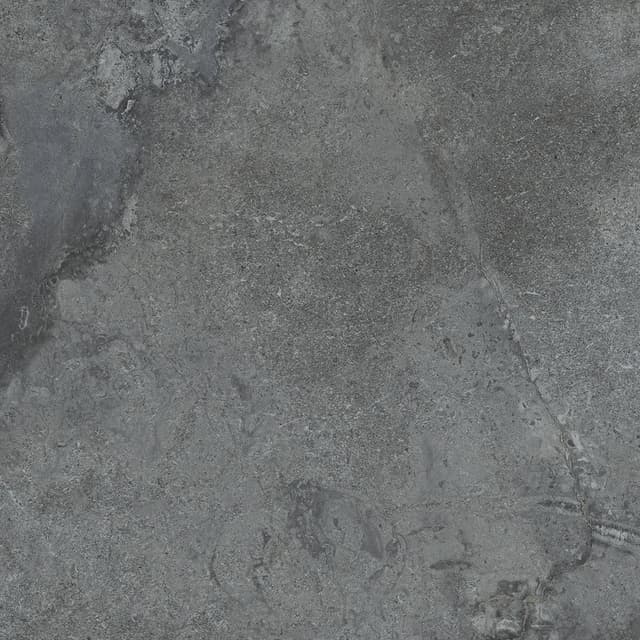
Mars Graphite Antislip Paver
60 × 60 cm · Anti-slip
$135.30 per m² + GST
$155.60 per m² incl. GST
Quick reference: tile choices by room
Bathroom floor
- Material
- Porcelain
- Finish
- Matt, satin, textured
- Key checks
- Water absorption, grip, membrane
Shower floor
- Material
- Porcelain, mosaic
- Finish
- Matt, textured
- Key checks
- Falls, slip rating, epoxy or CG2 grout
Shower walls
- Material
- Ceramic, porcelain
- Finish
- Any
- Key checks
- 6% max absorption, membrane
Splashback
- Material
- Ceramic, porcelain, glass, stone
- Finish
- Any
- Key checks
- Easy cleaning, stain-resistant grout
Laundry
- Material
- Porcelain
- Finish
- Matt, satin
- Key checks
- Impervious floor, floor waste
Living floors
- Material
- Porcelain
- Finish
- Matt, satin
- Key checks
- PEI 3 to 4 for glazed, flatness
Entrance
- Material
- Porcelain
- Finish
- Textured
- Key checks
- Slip rating, dirt-hiding colour
Outdoor
- Material
- Outdoor porcelain, pavers
- Finish
- Textured, anti-slip
- Key checks
- Frost resistance, slip rating, falls
Before you buy
- Get samples and look at them in your own light, on the floor or wall where they will go. You can order samples online.
- Check the technical sheet for water absorption, PEI (for glazed floor tiles), slip rating and frost resistance where relevant. If it is not on the product page, ask us.
- Work out quantities with our tile calculator, allowing for cuts, and buy from the same batch.
- Plan the substrate, adhesive, grout and trims at the same time as the tile. Browse tiling supplies.
Visit the Cromwell showroom
The easiest way to choose is to see tiles full size, side by side. Visit us at Unit 2/4 Cemetery Road, Cromwell (see the showroom page for hours), browse all tiles online, or email contact@atelierceramics.co.nz with photos and measurements of your space.
Our sister business Nunes Tiling installs bathrooms, kitchens, floors and outdoor areas across Central Otago, including Cromwell, Wanaka, Queenstown and Alexandra. Ask for a quote on our installation page.
Questions
- Is porcelain better than ceramic?
- Porcelain is denser and absorbs 0.5% or less water, so it suits floors, showers and outdoor areas. Ceramic is easier to cut, often cheaper and offers rich glazes, making it ideal for walls and splashbacks. Choose by where the tile is going.
- What PEI rating do I need for a kitchen or living floor?
- For glazed tiles, PEI 3 suits normal residential floors and PEI 4 suits busy homes and light commercial areas. PEI applies only to glazed tiles and measures glaze wear, not slip resistance or strength.
- Can I use the same tile inside and outside?
- Yes, if it comes in an in/out range with a textured outdoor finish and the outdoor version is rated for frost and slip where needed. The indoor and outdoor versions may be different finishes of the same design.
- What tiles are best for a shower floor?
- Porcelain or mosaic tiles in a matt or textured finish. Smaller tiles follow the falls to the waste easily and add grip; larger tiles work best with a linear drain. E3/AS1 requires tiles with 6% maximum water absorption on a suitable membrane.
- Are large tiles good for small bathrooms?
- They can be. Fewer grout lines make a small room feel calmer and bigger. They need a flat substrate and careful falls on shower floors, which is where a linear drain helps.
- Is natural stone a good choice for a bathroom?
- It can be, with care. Many stones need sealing and gentle, pH-neutral cleaning, and polished stone can be slippery when wet. Stone-look porcelain gives a similar look with less maintenance.
- Do I need underfloor heating under tiles?
- It is not required, but in cold climates like Central Otago it makes tiled bathrooms and living areas much more comfortable. Plan it before tiling, as it sits under the tiles.